
A company spends eight months implementing an AI-powered reporting system. Three months after go-live, the analytics team is still pulling data manually every Monday morning, reconciling figures across spreadsheets, and emailing summaries the same way they always have. The tool is live. Nobody is using it the way it was designed.
This is not a technology failure. It is a sequencing failure and it is far more common than most organizations want to admit.
The conversation around AI in business has spent years focused on the wrong question. Whether to adopt it is no longer the decision most leaders are facing. The real decision is how to build it into your organization in a way that actually delivers — and does not create a faster, more expensive version of the problems that already existed.
The implementation gap
AI does not redesign broken processes. It executes them at a scale and speed that human workarounds could never match. When the underlying workflow is undefined or built around habit rather than logic, the system learns and replicates that. The output becomes more automated, but the fundamental problem compounds.
Most organizations discover this six to twelve months into an implementation, when the gap between what was promised and what is actually happening becomes impossible to ignore. By then, reversing course costs significantly more than getting the sequence right the first time would have.
The sequence that changes everything
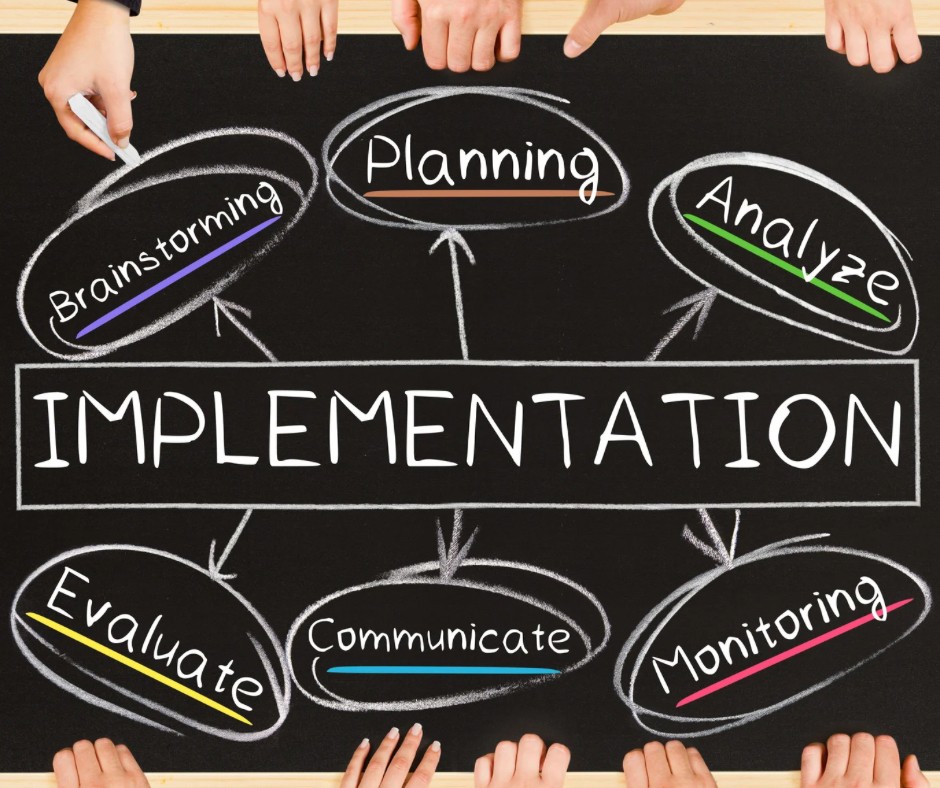
The organizations that consistently get this right share one thing in common — they treat process design as a precondition, not an afterthought. Before any automation is configured, they map how work actually moves through the organization. Not how it is supposed to move. How it actually moves. Where decisions stall because ownership is unclear. Where data is entered twice because two systems do not communicate. Where a workaround someone invented three years ago quietly became standard procedure.
This work produces something more valuable than a process diagram. It produces a baseline — a documented, measured starting point that makes it possible to know whether anything actually improved after the AI layer is introduced. Without a baseline, improvement is a feeling. With one, it is a number.
It is worth saying plainly: this part is harder and slower than most organizations want it to be. The ones that skip it in favour of moving faster are, almost without exception, the ones rebuilding six months later.
What it looks like when it works
When the sequence is right, the results are not subtle. Reporting cycles that took three weeks take four days. Reconciliation errors drop because redundant steps were eliminated before automation was applied. Teams spend their time on work that requires genuine judgment rather than manual compilation.
The technology in these cases is rarely extraordinary. What is extraordinary is the order of operations — understanding the process before building the system, eliminating what should not exist before automating what remains, and measuring outcomes so that improvement is visible and defensible.
The organizations pulling ahead are not moving faster than everyone else. They are moving more deliberately. And that deliberateness is exactly why their implementations hold.
At Insyt Solutions, we work with organizations from process diagnosis through AI-enabled system deployment, building the foundation first, then the intelligence on top of it. If you are navigating this, we would like to be in that conversation.